
Asia
Taiwan
Capital: Taipei
8°C
Current weather
05:16 PM
Local time
1 USD
Approximate rate
Spirit of the Country
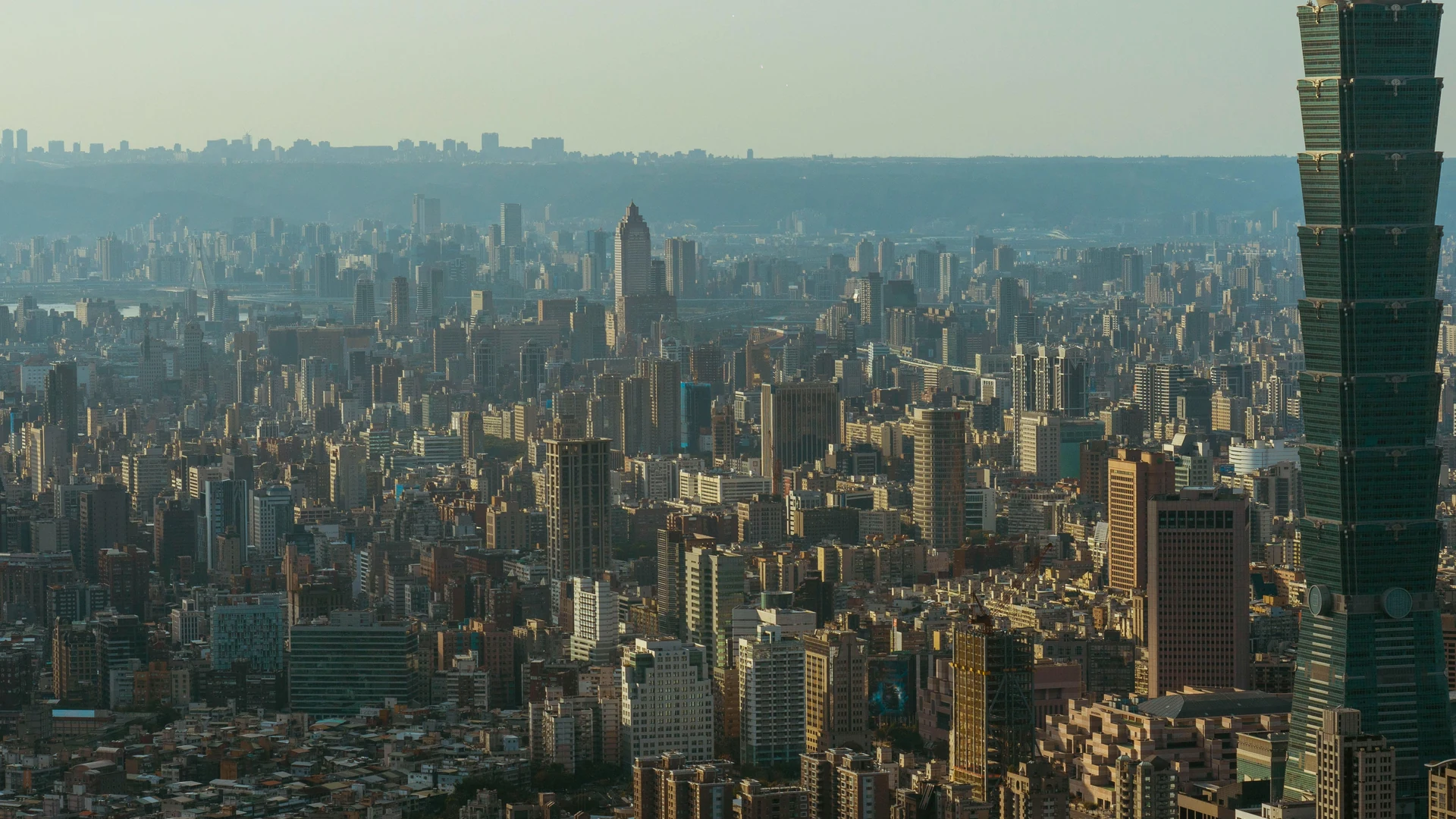
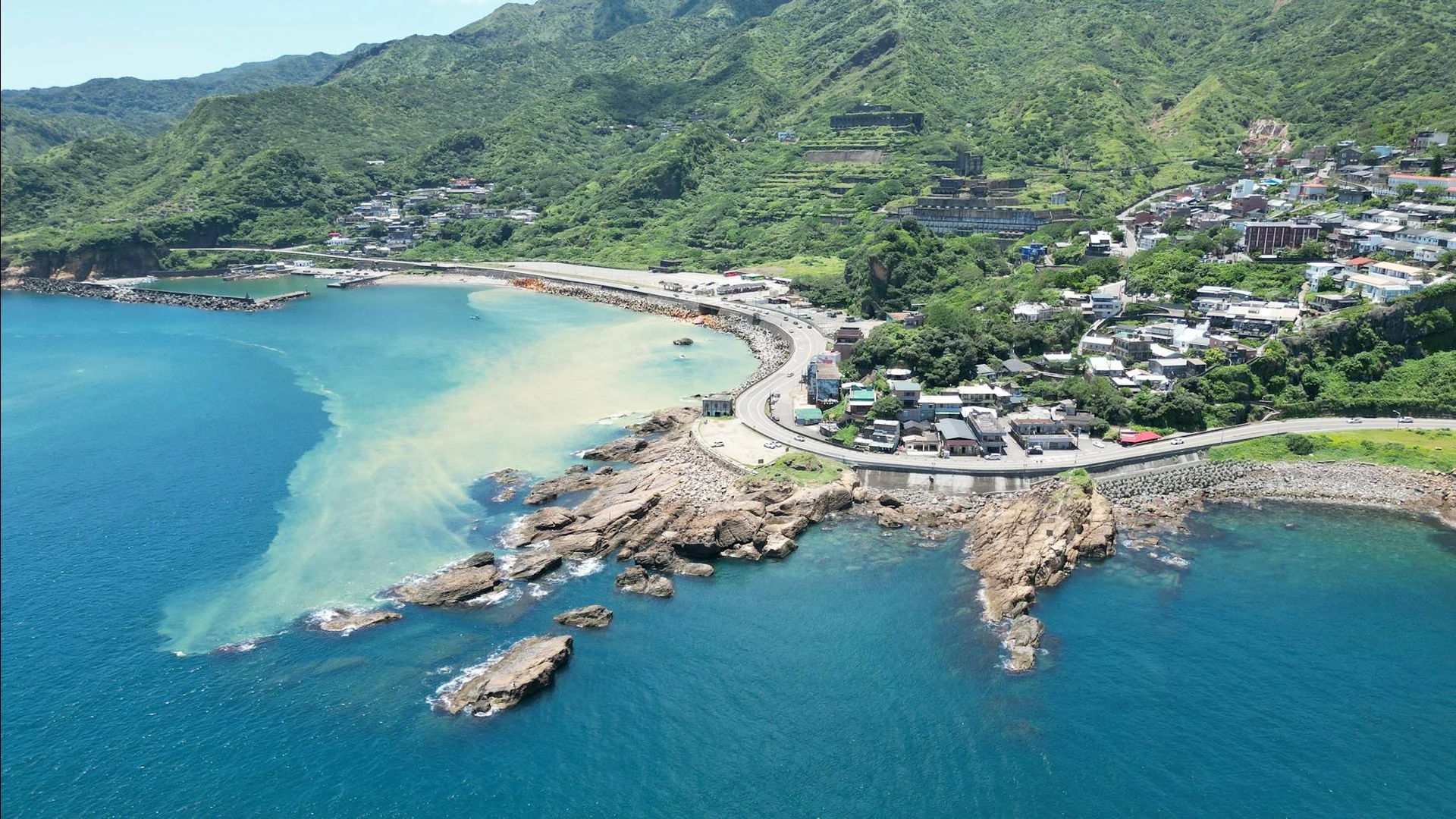
Taiwan, an island nation pulsating with a vibrant spirit, embodies a captivating blend of ancient traditions and modern innovation. Its soul is deeply rooted in a rich tapestry of Chinese, indigenous Taiwanese, and Japanese influences, creating a unique cultural identity that is both resilient and welcoming. The Taiwanese spirit is characterized by a profound respect for heritage, evident in its ornate temples, traditional festivals like the Lantern Festival and Dragon Boat Festival, and the enduring art forms of puppetry and opera. Yet, this reverence for the past coexists harmoniously with a forward-looking embrace of technology and urban dynamism. The island is breathtaking natural landscapes, from towering mountains to serene coastlines, also contribute to its essence, fostering a sense of tranquility and connection to nature. This duality—a deep appreciation for history and a keen eye on the future, a balance between bustling city life and peaceful natural beauty—defines the captivating spirit of Taiwan, inviting all to discover its multifaceted charm.
Culture Overview
Taiwanese culture is a fascinating mosaic of customs, traditions, and social norms that emphasize harmony, respect, and community. Greetings are generally formal, with a nod or slight bow considered polite, especially during initial introductions. Handshakes are common with foreigners, but a warm smile or wave is often preferred among locals. When visiting a Taiwanese home, it is customary to bring a gift, such as fruit, pastries, or snacks, and to remove shoes before entering. Punctuality is valued in both social and business settings. During meals, it is polite to hold your rice bowl close to your face and to avoid sticking chopsticks upright in a bowl, as this is associated with funeral rites. Burping at the table is not considered rude and can even be seen as a compliment to the host, indicating satisfaction with the meal. Public displays of affection are generally discreet, and loud, animated conversations in public spaces are often avoided to maintain a sense of collective tranquility. Respect for elders and authority figures is paramount, and personal connections, known as "guan-xi," play a significant role in both social and business interactions.
Prohibitions & Warnings
Taiwan maintains a generally liberal environment, but visitors should be aware of certain legal and social prohibitions. Strict laws govern drug offenses, with severe penalties for possession, use, or trafficking of illegal substances. Smoking is prohibited in most indoor public places, including restaurants, bars, and public transportation, and designated smoking areas are often available outdoors. Vaping laws are becoming increasingly stringent, with restrictions on the sale and use of e-cigarettes. Public consumption of alcohol is generally permitted, but disorderly conduct due to intoxication is not tolerated. Photography is widely accepted, but it is always respectful to ask permission before photographing individuals, especially in religious settings or private residences. Certain military installations and government buildings may have restrictions on photography. When visiting temples or religious sites, modest dress is appreciated, and visitors should be mindful of ongoing ceremonies. Eating, drinking, or talking loudly on public transportation, particularly the MRT, is prohibited and can result in fines, reflecting the Taiwanese value of public harmony and quiet.
Visa & Entry Requirements
Taiwan offers a relatively straightforward visa policy for many nationalities. Citizens of the United States, most European Union countries, Canada, Australia, New Zealand, Japan, and South Korea are generally eligible for visa-exempt entry for stays of up to 90 days for tourism or business purposes, provided their passport is valid for at least six months beyond their intended stay. Some countries may have shorter visa-exempt periods, such as 14 or 30 days. For citizens of Gulf Cooperation Council (GCC) countries, a visa is typically required. For example, Saudi Arabian citizens need to apply for an e-visa, which can be done online. The e-visa application usually requires a passport valid for at least six months, a passport copy, and payment of a fee (around 114.90 USD for Saudi citizens). Processing times for e-visas can vary but are generally efficient. Visa on arrival options are limited and usually apply to specific circumstances or nationalities not covered by visa-exempt programs or e-visa facilities. It is always advisable for all travelers to check the latest visa requirements with the nearest Taiwan representative office or consulate well in advance of their travel dates, as policies can change.
Famous Foods
Beef Noodle Soup
A quintessential Taiwanese dish, Beef Noodle Soup features tender braised beef, chewy noodles, and a rich, savory broth, often spiced with star anise and other aromatics. It is a comforting and deeply flavorful staple, beloved by locals and visitors alike.
Xiao Long Bao
These delicate soup dumplings are a culinary masterpiece. Each bite-sized dumpling is filled with savory pork and a burst of hot, flavorful broth, meticulously folded into a thin wrapper. They are typically served with a dipping sauce of black vinegar and ginger.
Gua Bao
Often referred to as the "Taiwanese hamburger," Gua Bao consists of a steamed bun filled with tender, slow-braised pork belly, pickled mustard greens, cilantro, and crushed peanuts. The combination of textures and flavors—sweet, savory, and tangy—makes it an irresistible street food.
Stinky Tofu
A notorious yet beloved Taiwanese street food, Stinky Tofu is fermented tofu that is deep-fried until crispy and served with pickled cabbage and a spicy sauce. Its pungent aroma is distinctive, but its rich, savory flavor has made it a must-try for adventurous eaters.
Oyster Omelet
This popular night market dish features small, plump oysters cooked with eggs, leafy greens, and a starchy sauce, then pan-fried until golden and slightly crispy. It is typically topped with a sweet and savory chili sauce, offering a delightful blend of textures and flavors.
Bubble Tea (Boba Milk Tea)
Originating in Taiwan, Bubble Tea is a refreshing drink made with tea, milk, and chewy tapioca pearls (boba). It comes in countless flavors and variations, from classic milk tea to fruity concoctions, and is a beloved beverage worldwide.
Top Cities in Taiwan
Best Telecom Networks
Chunghwa Telecom
5G • 50GB / 7 days
eSIM$25.37
SIM price
Taiwan Mobile
5G • 50GB / 7 days
eSIM$25.37
SIM price
Far EasTone
5G • 50GB / 5 days
eSIM$15.86
SIM price
Transport & Delivery Apps
Monthly Temperature
| Month | Jan | Feb | Mar | Apr | May | Jun | Jul | Aug | Sep | Oct | Nov | Dec |
|---|---|---|---|---|---|---|---|---|---|---|---|---|
| High °C | 19° | 19° | 22° | 25° | 29° | 31° | 33° | 33° | 30° | 27° | 24° | 20° |
| Low °C | 14° | 14° | 16° | 19° | 23° | 25° | 27° | 27° | 25° | 22° | 19° | 16° |
Climate data for Taipei
Best Cards for This Trip
Auto-selected for your nationality (US)
No data for this nationality yet
💡 Recommendations based on your nationality (US) — tap "Change" to update