
Asia
Philippines
Capital: Manila
05:15 PM
28°C
1 USD
Approximate rate
Spirit of the Country
The spirit of the Philippines is a vibrant tapestry woven with resilience, deep-seated family values, and an unwavering sense of community. At its core lies the renowned Bayanihan Spirit, a powerful ethos where individuals come together to help one another without expectation of reward, embodying unity and mutual support in times of need. This collective strength allows Filipinos to face adversity with remarkable fortitude and an enduring optimism, often finding joy and laughter even amidst challenges. Hospitality is paramount, extending a warm welcome to all, whether they are family by blood or by spirit. This inherent warmth and generosity create an atmosphere where visitors often feel like an extension of the family, experiencing genuine care and connection. The Filipino soul is also deeply rooted in faith, which provides a strong moral compass and a source of unwavering hope, shaping a culture that values respect, compassion, and an unbreakable bond with both kin and community.
Culture Overview
Filipino culture is characterized by profound respect for elders and family, a strong sense of community, and a cheerful disposition. Greetings often involve a slight bow and the use of honorifics such as "po" and "opo" when addressing older individuals, signifying deference. The "mano po" gesture, where one takes an elder"s hand and touches it to their forehead, is a traditional sign of respect. Family ties are incredibly strong, with extended families often living in close proximity and sharing meals regularly. Social gatherings are central to Filipino life, marked by abundant food, singing, and laughter. Modesty in dress is generally expected, especially in public and religious places; shoulders and knees should ideally be covered. Public displays of affection are usually subtle. While there is no strict tipping culture, showing appreciation for good service is always welcomed, often with a small amount. Filipinos tend to avoid direct confrontation, preferring to maintain harmony and save face, which can sometimes lead to indirect communication or saying "yes" or "maybe" instead of a direct "no" to avoid causing discomfort.
Prohibitions & Warnings
The Philippines has strict laws and social norms that visitors should be aware of. The possession and use of illegal drugs are met with severe penalties, including long prison sentences and hefty fines, under the Comprehensive Dangerous Drugs Act of 2002. Public intoxication is also frowned upon, and there are local ordinances that may prohibit the consumption of alcohol in public places. While the country is generally tolerant, it is important to be respectful of religious customs and sites. When visiting churches, modest dress is required, covering shoulders and knees. Photography of military installations, airports, and other sensitive areas may be restricted. Gambling is regulated, with licensed casinos and gaming establishments available, but illegal gambling is strictly prohibited. There is also a law against unjust vexation, which can be broadly interpreted, so it is best to avoid any behavior that could be perceived as annoying or disruptive to others.
Visa & Entry Requirements
The Philippines offers visa-free entry for many nationalities. Citizens of the 157 countries, including those from the USA, and all EU member states, can enter the Philippines without a visa for a period of up to 30 days, provided they have a valid passport with at least six months of validity beyond their intended stay and a return or onward ticket. For citizens of GCC countries, most are also granted a 30-day visa-free stay. An e-visa system is not yet widely available. For those who wish to stay longer, a visa extension can be obtained from the Bureau of Immigration in the Philippines. The cost of a visa extension varies depending on the length of the extension, but it typically starts around 3,000 Philippine pesos. Processing times for extensions are usually a few days. It is always recommended to check the latest visa policies with the nearest Philippine embassy or consulate before traveling.
Famous Foods
Adobo
Adobo is a popular Filipino dish and cooking process in Filipino cuisine that involves meat, seafood, or vegetables marinated in vinegar, soy sauce, garlic, bay leaves, and black peppercorns, which is then browned in oil, and simmered in the marinade. It has occasionally been considered the unofficial national dish of the Philippines.
Sinigang
Sinigang is a Filipino soup or stew characterized by its sour and savoury taste. It is most often associated with tamarind, although it can use other sour fruits and leaves as the souring agent. It is one of the more popular dishes in Philippine cuisine.
Lechon
Lechon is a whole roasted pig, a popular dish in the Philippines, often served at festivals and special occasions. The pig is slowly roasted over charcoal, resulting in crispy skin and tender, flavorful meat. It is considered a national dish and a symbol of Filipino celebration.
Kare-Kare
Kare-Kare is a Filipino stew made from peanut sauce with a variety of vegetables, oxtail, and sometimes other cuts of beef or seafood. It is traditionally served with bagoong (fermented shrimp paste) on the side. The dish is known for its rich, savory, and slightly sweet flavor profile.
Lumpia
Lumpia are Filipino spring rolls, a savory dish made with a variety of fillings, such as ground meat (pork or beef), shrimp, and vegetables, all wrapped in a thin pastry skin and deep-fried until golden and crispy. They are a popular appetizer or snack, often served with a dipping sauce.
Halo-Halo
Halo-Halo is a popular Filipino cold dessert that is a colorful and refreshing mix of crushed ice, evaporated milk, and various ingredients including sweet beans, coconut gel, sago, gulaman (agar jelly), fruits, and often topped with a scoop of ube (purple yam) ice cream and leche flan. It is a quintessential summer treat in the Philippines.
Top Cities in Philippines
Telecom & eSIM
Get eSIM for Philippines from Airalo
Instant data coverage without a new SIM — activate immediately after purchase
Local SIM Cards
Globe
5G • 80GB / 30 days
eSIM ✓$29
SIM price
Smart
5G • 30GB / 30 days
eSIM ✓$25
SIM price
DITO
5G • 20GB / 15 days
eSIM ✓$15
SIM price
Transport & Delivery Apps
Monthly Temperature
| Month | Jan | Feb | Mar | Apr | May | Jun | Jul | Aug | Sep | Oct | Nov | Dec |
|---|---|---|---|---|---|---|---|---|---|---|---|---|
| High °C | 30° | 31° | 32° | 34° | 33° | 32° | 31° | 31° | 31° | 31° | 31° | 30° |
| Low °C | 23° | 24° | 25° | 26° | 27° | 26° | 26° | 26° | 26° | 26° | 25° | 24° |
Climate data for Manila
Best Cards for This Trip
Auto-selected for your nationality (US)
No data for this nationality yet
💡 Recommendations based on your nationality (US) — tap "Change" to update
Shopping Overview
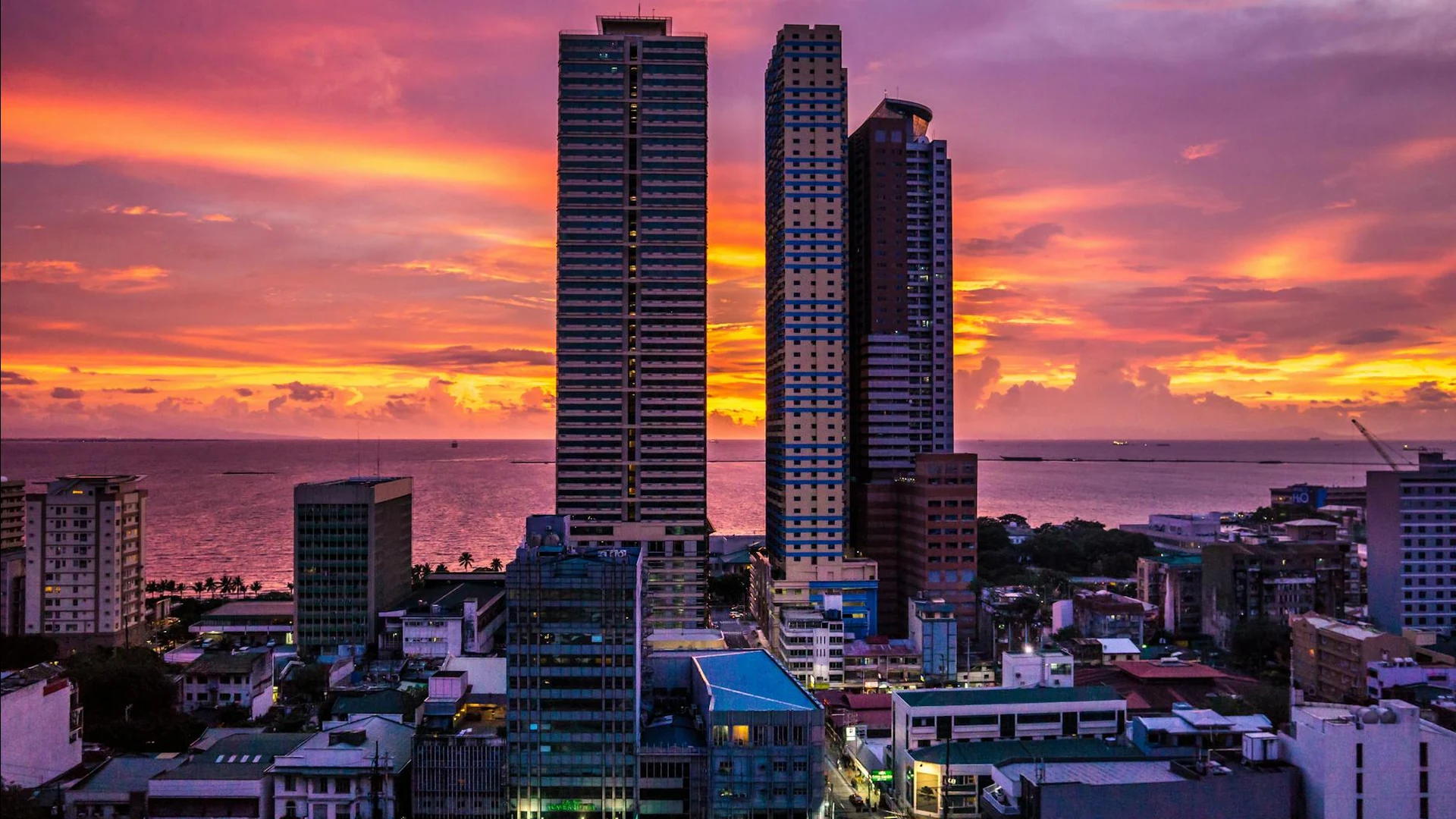
Manila's Makati (Glorietta, Greenbelt) and Bonifacio Global City offer modern malls with international brands and local boutiques. Look for handcrafted items like woven textiles, pearls, and dried mangoes at souvenir shops and markets like Divisoria (bargain prices) or Kultura (fixed prices); expect prices to range from a few dollars for snacks to hundreds for high-quality jewelry.
Top Cities

Browse Our Cities

Quick Info
🎯Top Tours & Activities in Philippines

Immerse in Culture: Villa Escudero Coconut Plantation Experience

Cebu: Scuba Diving Experience beach entry in Mactan

WaterColors - Open Water Diver Certification in Boracay

Bohol Full Day Waterfall & Countryside Scooter Tour

Dumaguete Tours in English | Private, Flexible Full Day Tours

Customize Private Morocco Tours
Powered by Viator