Istanbul: Where East Meets West — The Complete Travel Guide
Istanbul is one of the world's most extraordinary cities, a place where Byzantine, Ottoman, and modern Turkish cultures collide in a spectacular urban landscape. Discover everything you need to know to experience Istanbul to the fullest.
Istanbul: Where East Meets West — The Complete Travel Guide
Istanbul is, quite simply, one of the world's most extraordinary cities. The only city in the world that straddles two continents, it has been the capital of three of history's greatest empires — the Roman, Byzantine, and Ottoman — and its extraordinary historical legacy is visible at every turn. Yet Istanbul is also a vibrant, modern, and forward-looking city, with a thriving arts scene, world-class restaurants, and a nightlife that rivals any in Europe. It is a city of extraordinary contrasts and remarkable depth, and it rewards every traveler who takes the time to explore it properly.
The Historic Peninsula (Sultanahmet)
The historic peninsula of Sultanahmet is the heart of Istanbul's extraordinary historical heritage. The Hagia Sophia, built in 537 AD as the world's largest cathedral and later converted into a mosque, then a museum, and now a mosque again, is one of the world's greatest architectural achievements. Its massive dome, 55 meters high and 31 meters in diameter, seems to float above the interior space, and the interplay of light through its windows creates an atmosphere of transcendent beauty. The Blue Mosque (Sultan Ahmed Mosque), built between 1609 and 1616, is the only mosque in Istanbul with six minarets, and its interior of 20,000 hand-painted Iznik tiles is one of the most beautiful in the Islamic world. Explore Istanbul on Globioo →
The Topkapi Palace, home to the Ottoman sultans for four centuries, is one of the world's great palace complexes. Its four courtyards, the Imperial Treasury (housing the famous Topkapi Dagger and the Spoonmaker's Diamond), the Harem, and the extraordinary collection of Islamic relics make it a destination that could occupy an entire day. The Basilica Cistern, a vast underground water reservoir built by the Emperor Justinian in 532 AD, is one of Istanbul's most atmospheric and mysterious sites.
The Grand Bazaar and Spice Market
The Grand Bazaar (Kapalıçarşı) is one of the world's oldest and largest covered markets, with over 4,000 shops spread across 61 covered streets. The market's labyrinthine layout, its extraordinary variety of goods — from carpets and ceramics to jewelry and spices — and its atmosphere of organized chaos make it one of the world's great shopping experiences. The nearby Spice Market (Mısır Çarşısı) is smaller but equally atmospheric, with stalls piled high with spices, dried fruits, nuts, and Turkish delights.
The Bosphorus
The Bosphorus Strait, which divides Istanbul between its European and Asian sides, is one of the world's most strategically important waterways and one of its most beautiful. A Bosphorus cruise — available from Eminönü pier — offers extraordinary views of the city's skyline, the Ottoman palaces and fortresses that line the shores, and the graceful suspension bridges that span the strait. The Asian side of Istanbul, accessible by ferry from Eminönü or Karaköy, offers a different perspective on the city — quieter, more residential, and with excellent restaurants and cafés in the Kadıköy and Moda neighborhoods.
Beyoğlu and the Modern City
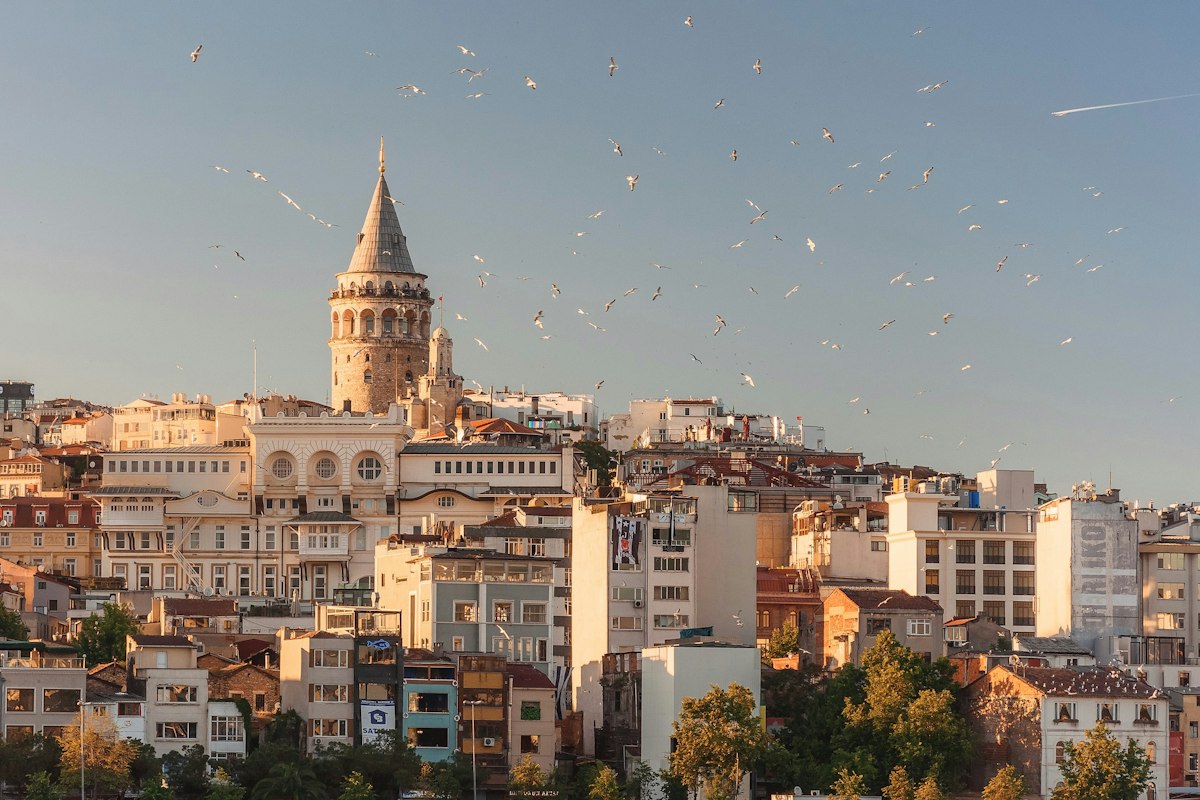
Beyoğlu, on the European side of the Golden Horn, is Istanbul's most cosmopolitan district. The pedestrianized İstiklal Avenue, lined with 19th-century European-style buildings, boutiques, cafés, and restaurants, is the city's main social artery. The Galata Tower, built by the Genoese in 1348, offers panoramic views over the city and the Golden Horn. The Pera Museum houses an extraordinary collection of Orientalist paintings, while the Istanbul Modern is the city's premier contemporary art museum.
Istanbul's Food Scene
Istanbul's food scene is one of the world's great culinary experiences. Street food is extraordinary — simit (sesame-encrusted bread rings), balık ekmek (grilled fish sandwiches sold from boats on the Bosphorus), midye dolma (stuffed mussels), and kestane (roasted chestnuts) are among the city's iconic street foods. The city's meyhanes (traditional taverns) serve meze — a spread of small dishes — accompanied by rakı (anise-flavored spirit), creating one of the world's most convivial dining experiences. Turkish breakfast (kahvaltı) is legendary, with dozens of small dishes including cheeses, olives, eggs, tomatoes, cucumbers, honey, and clotted cream.
Practical Information
Istanbul is served by two airports: Istanbul Airport (the new main airport) and Sabiha Gökçen Airport on the Asian side. The city's public transport system — including the metro, tram, and ferry network — is excellent and affordable. The Istanbulkart (a rechargeable transport card) can be used on all public transport. The best time to visit Istanbul is spring (April-May) or autumn (September-October), when the weather is mild and the crowds are manageable. Summer can be hot and crowded, while winter is cool but offers the advantage of smaller crowds and lower prices.
Related Articles

When is the Best Time to Book Flights? The Complete 2026 Guide
Booking flights at the right time can save you hundreds of dollars. Based on analysis of millions of flight searches, here is the definitive guide to when to book flights for the best prices in 2026.
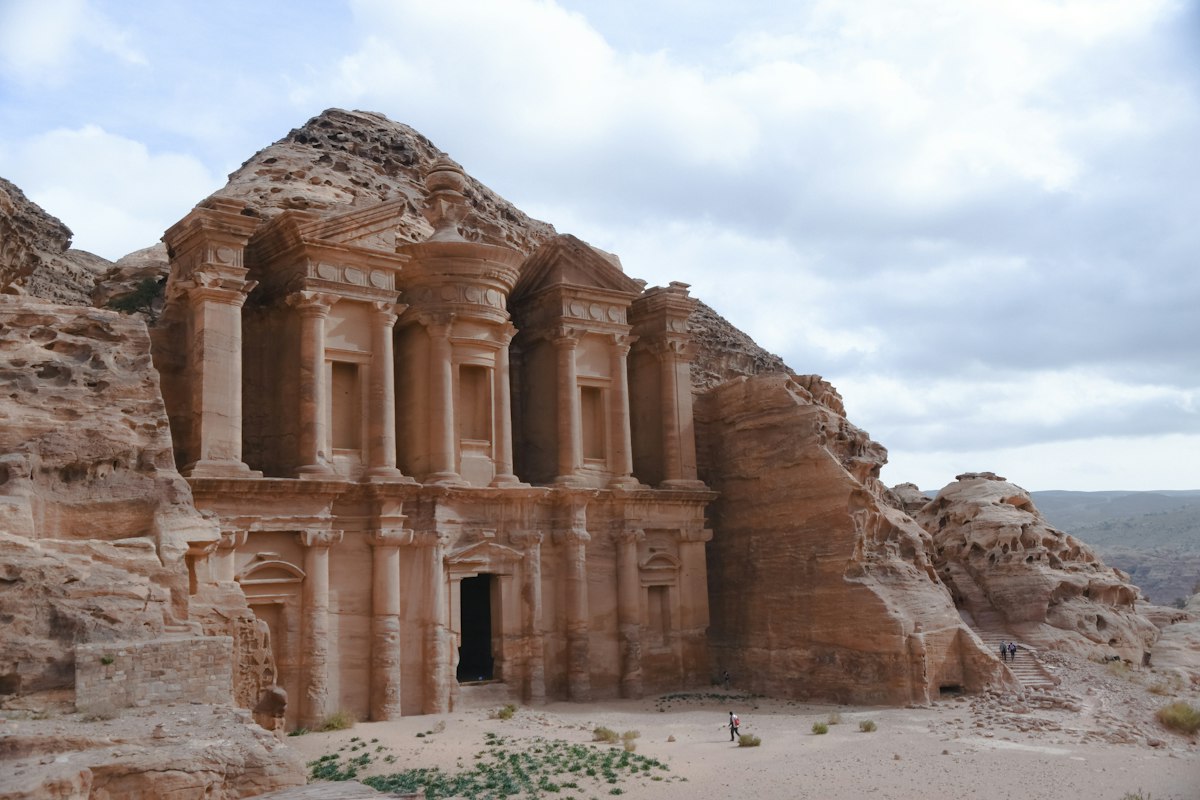
Petra & Wadi Rum: Jordan's Most Breathtaking Experiences
Jordan is home to two of the world's most extraordinary destinations: the ancient rose-red city of Petra and the vast desert wilderness of Wadi Rum. Discover everything you need to know to plan the perfect Jordan adventure.

Top 10 Adventure Travel Destinations for Thrill-Seekers in 2026
From bungee jumping in New Zealand to trekking the Himalayas, discover the world's top 10 adventure travel destinations for 2026. These are the places where extraordinary landscapes meet heart-pumping experiences.